
With 31 approved Slow Food Farms across the Nordic countries, and 21 in Lithuania, the network is growing stronger month by month.
Across the world, more than 400 Slow Food farms embrace the Slow Food principles of promoting biodiversity, adopting agroecological practices, and fostering strong ties to the land.
The network, launched in 2024, is a global initiative highlighting farmers and farms sharing the Slow Food values concerning biodiversity, sustainability, and the preservation of tradition, while connecting the farmers to the worldwide Slow Food community.
“This global initiative aims to help consumers more easily identify farms that follow the principles of agroecology, preserve tradition and take biodiversity and sustainability into account,” says Henrieta Miliauskienė of the Slow Food Community in Lithuania, who has been responsible for identifying and nominating Lithuanian farms for the Slow Food Farms network.
Plants, Animals, and Landscape
Many of the Lithuanian Slow Food farms use mixed farming systems in which livestock, crops, and landscapes interact and support one another—one of the core principles of agroecology.
“Our farm is dedicated to preserving perennial meadows within forested areas. We raise Angus cattle and sheep, breeds perfectly adapted to our local climate. My mission is to protect habitats of European importance by promoting diverse grazing, which is essential for restoring and maintaining biodiversity,” says Darius Kavšinas, owner of Wildfarm Labanoras.
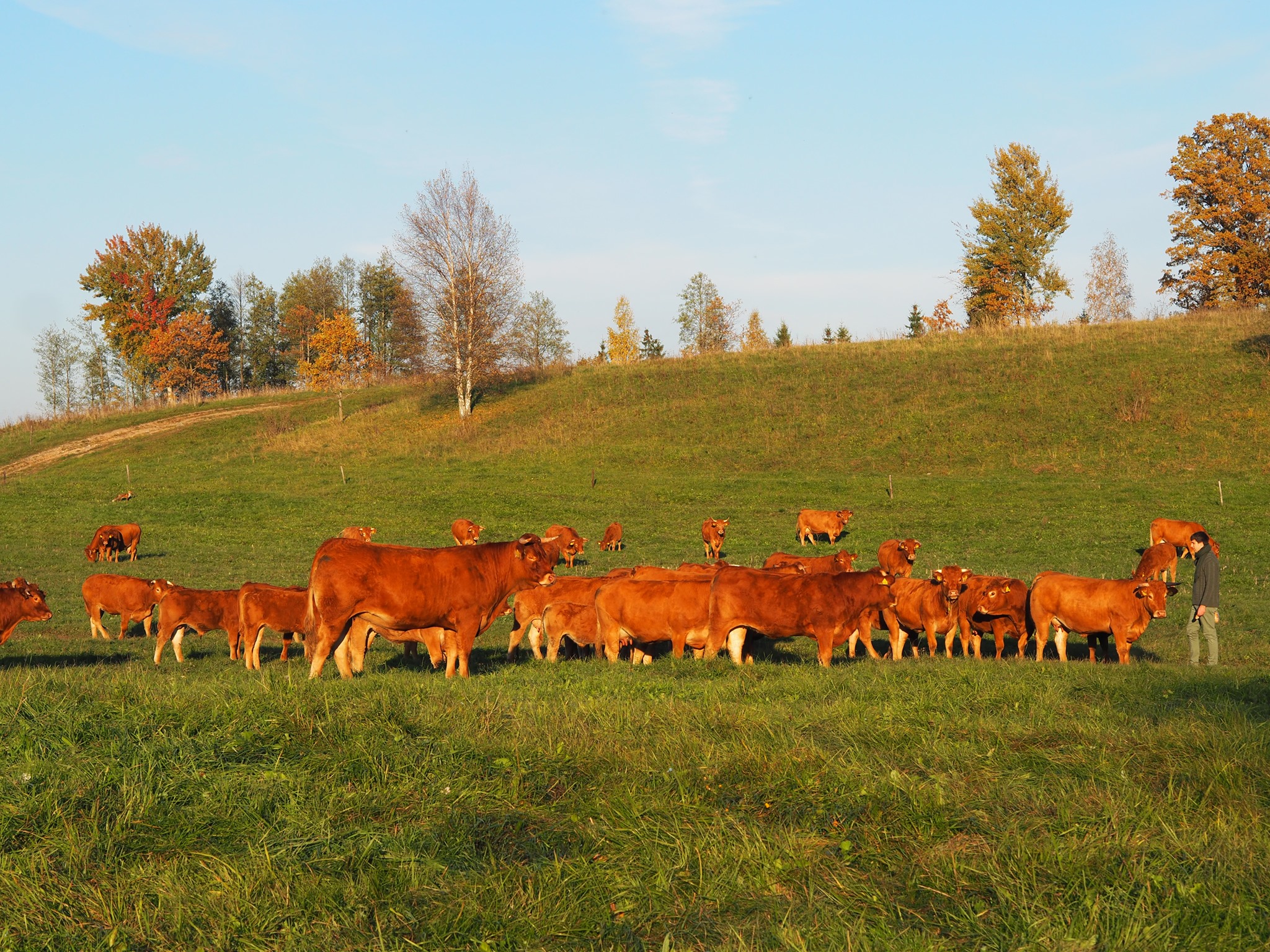
While concerns are growing in Lithuania about the rapid degradation of grasslands and the decline of farmland birds, many Slow Food farms raising cattle let their cattle graze on grasslands, maintaining natural meadow ecosystems and supporting the survival of rare plants, insects, and bird species.
Berries, Medicinal Plants, Eggs, Artisanal Cheeses, and More
The Slow Food farms in Lithuania range in size from a few acres to several hundred hectares. Some specialize in crop production, others in livestock or mixed farming. Some sell fresh products, while others process them to extend shelf life and add value.
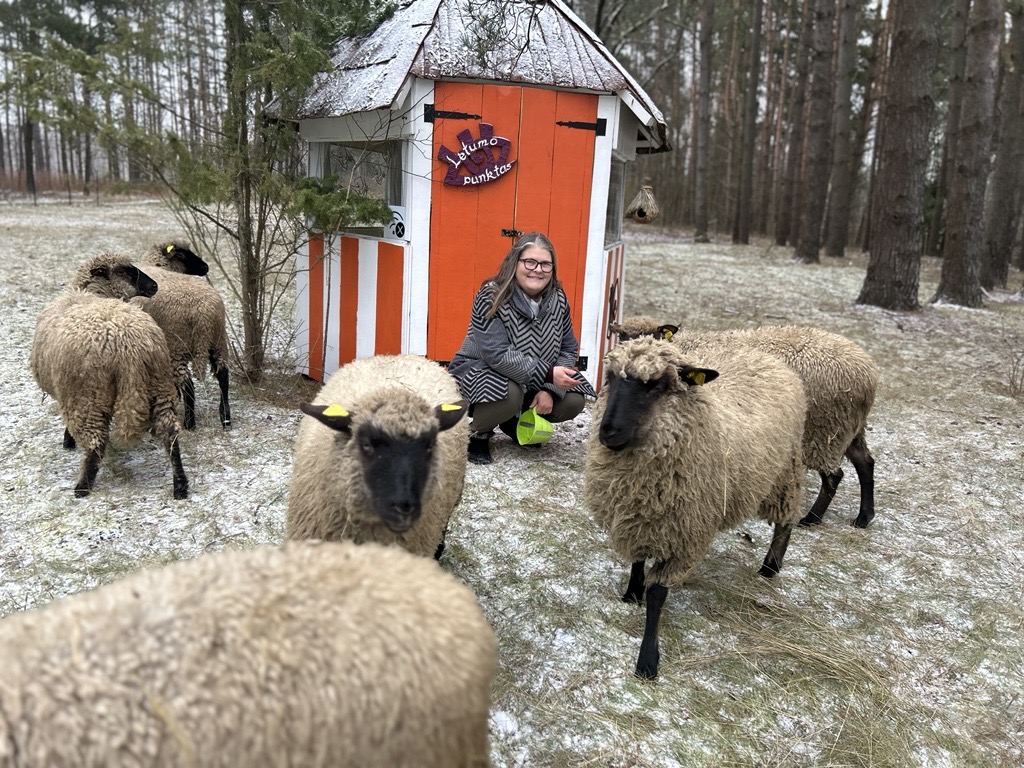
Henrieta Miliauskienė of the Slow Food Community in Lithuania is also a farmer. She says that living in harmony with nature teaches us to view farming from a different perspective—to ensure that our activities cause as little harm as possible to sensitive ecosystems. She describes her own farm, where each animal has its role:
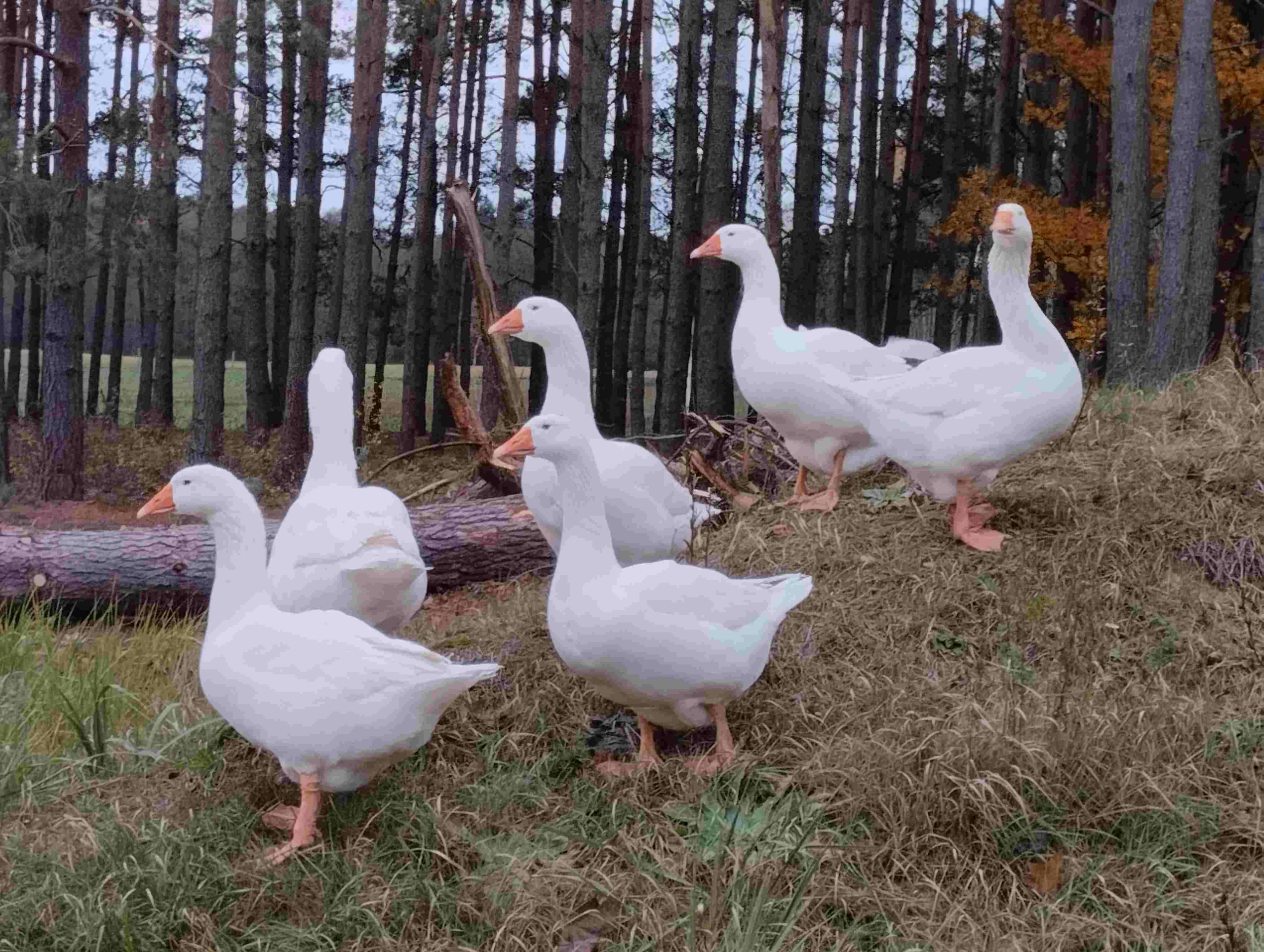
”The sheep graze the meadows, guinea fowl look after the sheep so that ticks won’t attack them, ducks control the slug population in the garden, a turkey hen takes care of the young goslings, the ganders guard the yard from unwanted animals, and the chickens take care of compost management.”
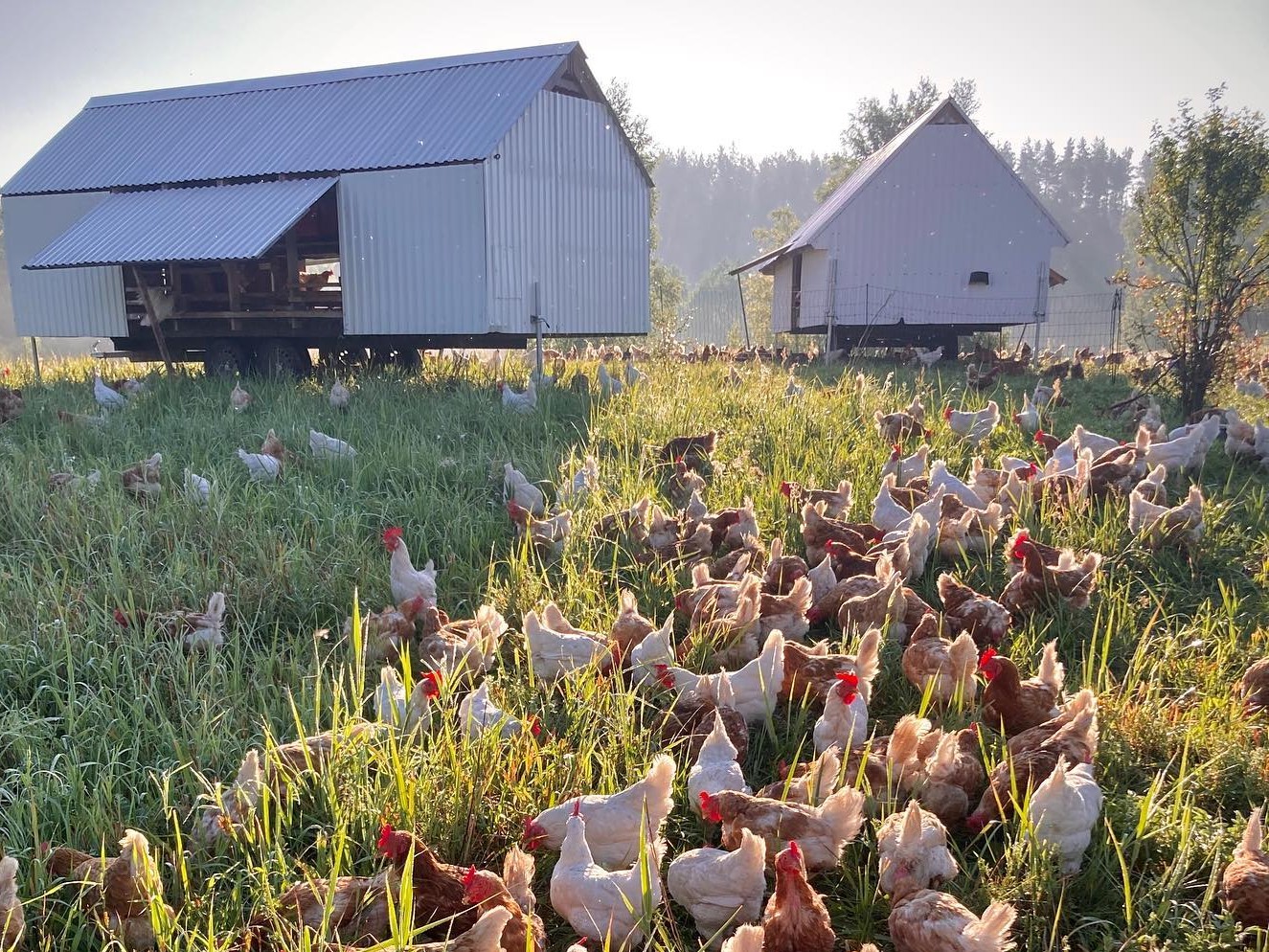
Among the Slow Food Farms in Lithuania are forest-garden pioneers, biodynamic, regenerative, organic, and conservation-oriented farms supplying vegetables, fruits, berries, herbs, medicinal plants, grains, lamb, beef, pork, chicken, eggs, cow, sheep and goat milk, and artisanal cheeses.
“For our farm, the ‘Slow Food Farm logo is equivalent to an Oscar. It is recognition that what we do every day, from soil to table, is valued not only by consumers but also by the global sustainable food community,” says a Lithuanian farmer about joining the network, demonstrating that the initiative not only encourages sustainable farming practices but also strengthens farmers’ motivation and confidence in their mission.
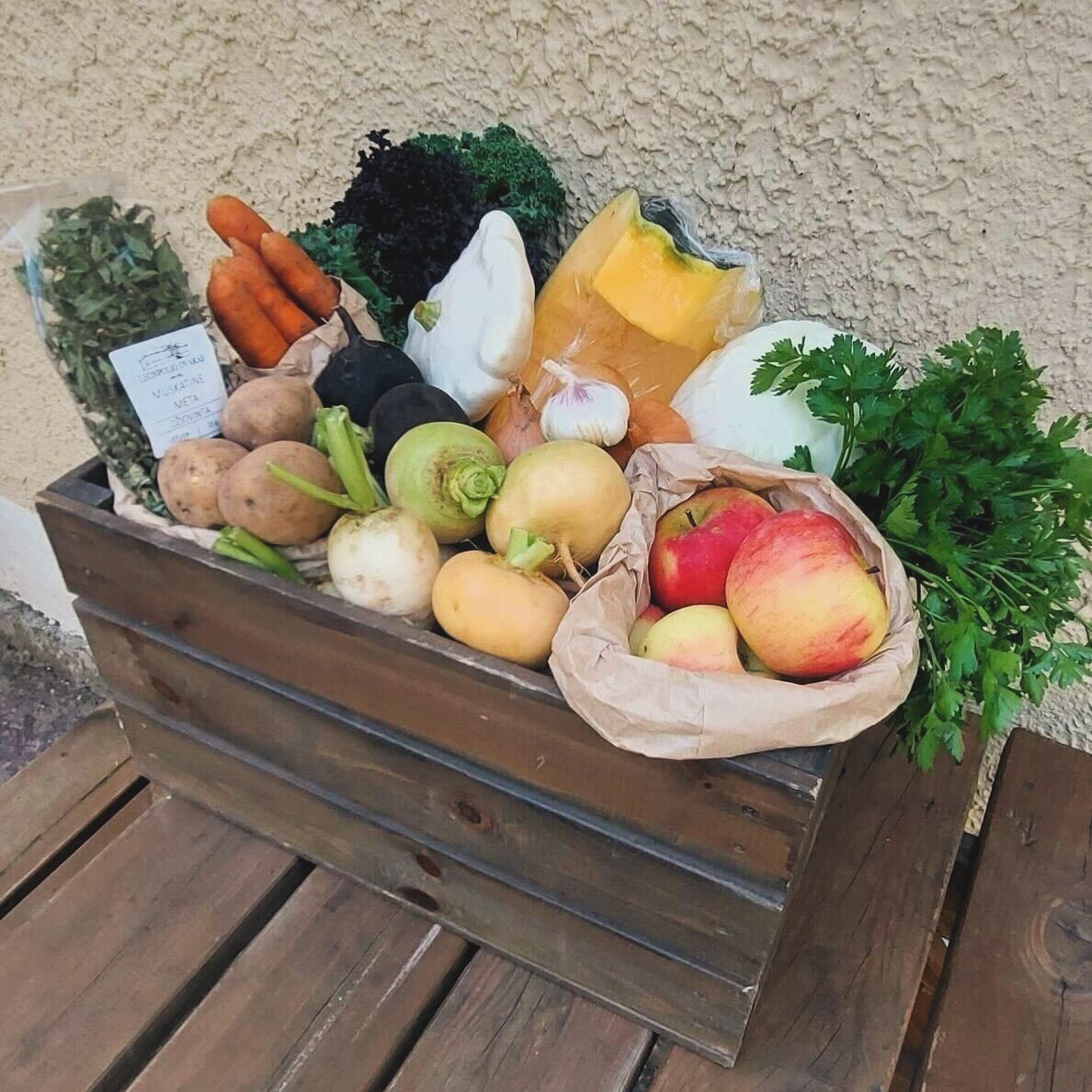
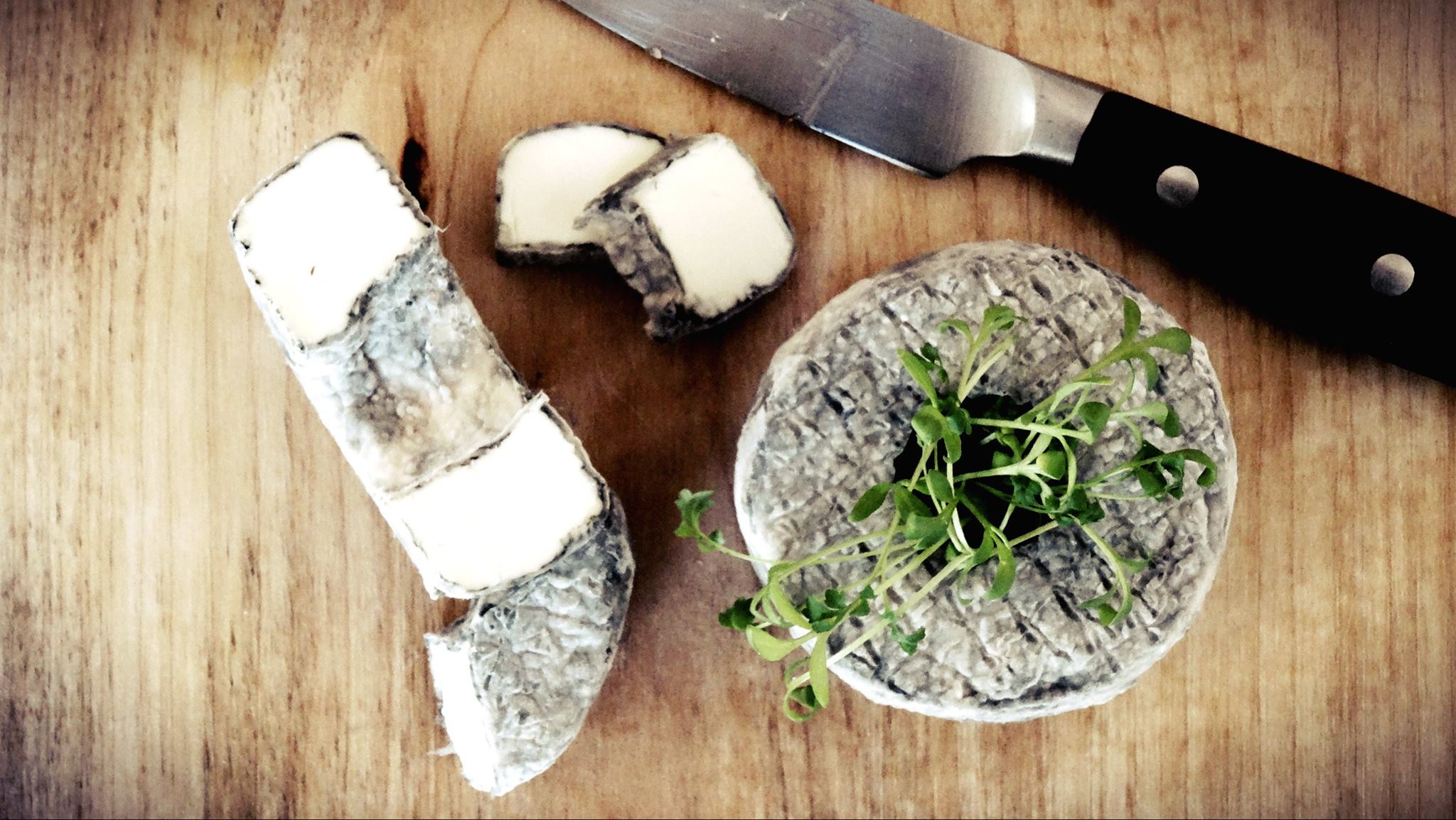
Find the Slow Food farms in Lithuania
- Do you want to learn more about the Lithuanian Slow Food farms? Head over to the website of the Slow Food Lithuania Community to find a list of all the Slow Food farmers in the country, and more information about their activities and products.
- Find Slow Food farms across the globe.
What is Agroecological Farming?
Agroecology is a philosophy and practice of farming that combines ecological science, the knowledge of local communities, and sustainable agricultural technologies. Unlike intensive industrial farming, agroecology seeks to create a vibrant, soil-friendly, and climate-friendly food system that relies on natural processes and local resources.
It includes restoring soil vitality through natural methods; avoiding chemical fertilizers and pesticides; applying sustainable and humane livestock practices where animals form an integral part of the ecosystem; developing short food supply chains; and strengthening the relationship between farmers and consumers.